
BeltLine Expansions Fuels Housing Crisis as Displacement Rates Jumped to 41%
By Tacory Jones 404 https://new.express.adobe.com/webpage/68HNklrbPt79K
Atlanta, Georgia-Sharon Jones’s family has moved in lived in Pittsburgh yards, a historically black neighborhood southwest of downtown, for three generations. Last month, she received a notice: Her rent would increase by 60%.
“They’re pushing us out,” Jones said, standing on her porch as construction crews worked on a new mixed-use development half a block away. “My grandfather bought this house in 1968. Now, I might be the last one to live here.”
Jones’s story is no longer an outlier. New data shows that Atlanta experienced the most intense gentrification in the U.S. from 2000 to 2012, driven by rising incomes, home values, and educational attainment in urban neighborhoods. The driving force? The BeltLine’s rapid expansion-a $4.8 billion project touted as an economic engine but now accused of accelerating gentrification in working-class communities.
The BeltLine Effect: Promises vs. Reality
When the Atlanta BeltLine launched in 2005, city officials pledged 5,600 affordable housing units by 2030. As of 2024, only 1,200 have been built, while looks tree condos and high-rises dominate new construction.
Key findings from recent reports:
- Rent increases near BeltLine corridors have spike 22% year over year (Urban Displacement project, 2024).
- Black homeownership in neighborhoods like West End and Adair Park have dropped by 18% since 2020 (Atlanta Journal Constitution).
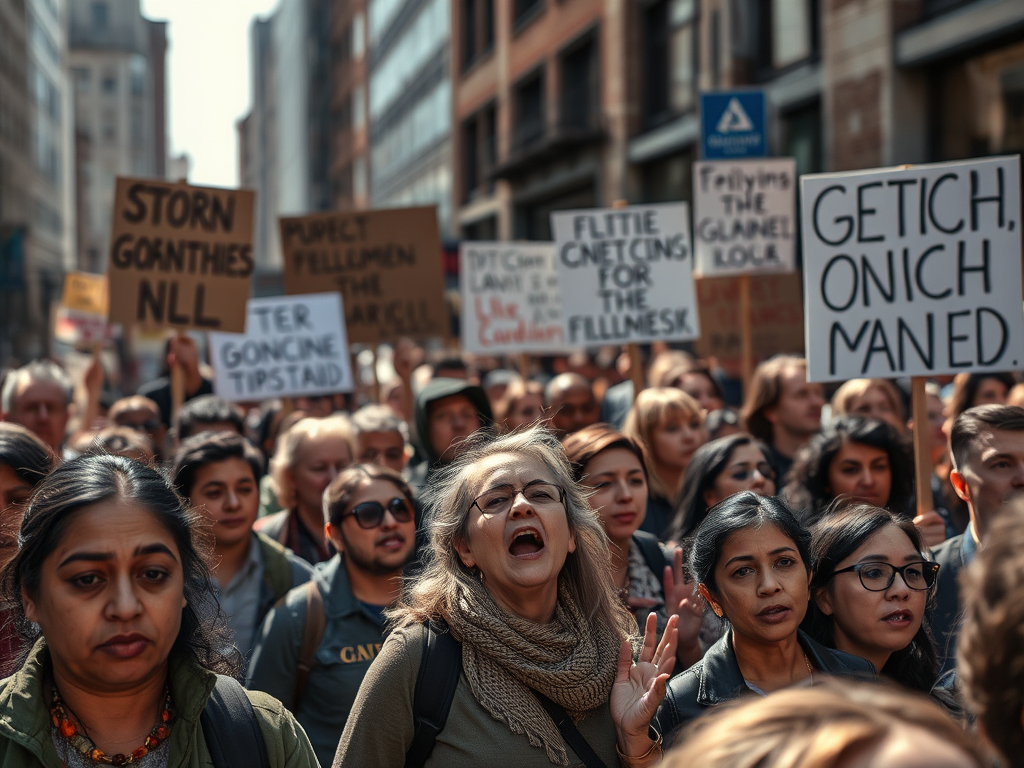
- Rezoning protests have erupted in Southwest Atlanta, where developers seek to convert single family lots into high density apartments.

Grassroots Residence: We Won’t Go Quietly
Community groups are fighting back:
- Tenant unions have blocked three major evictions waves in 2024 through Rita strikes.
- Policy demands include a citywide rent freeze at inclusionary zoning laws.
What’s next?
The Atlanta City Council will vote next month on a stalled affordable housing bill that could mandate 20% affordable units in new developments. Activists called it a first step-but warned the crisis is outpacing policy.
“Without intervention, Atlanta will lose its soul,” Jones said. “This isn’t just about housing. It’s about who’s getting the call Atlanta home.”


 Tacory Jones 404
Leave a comment