
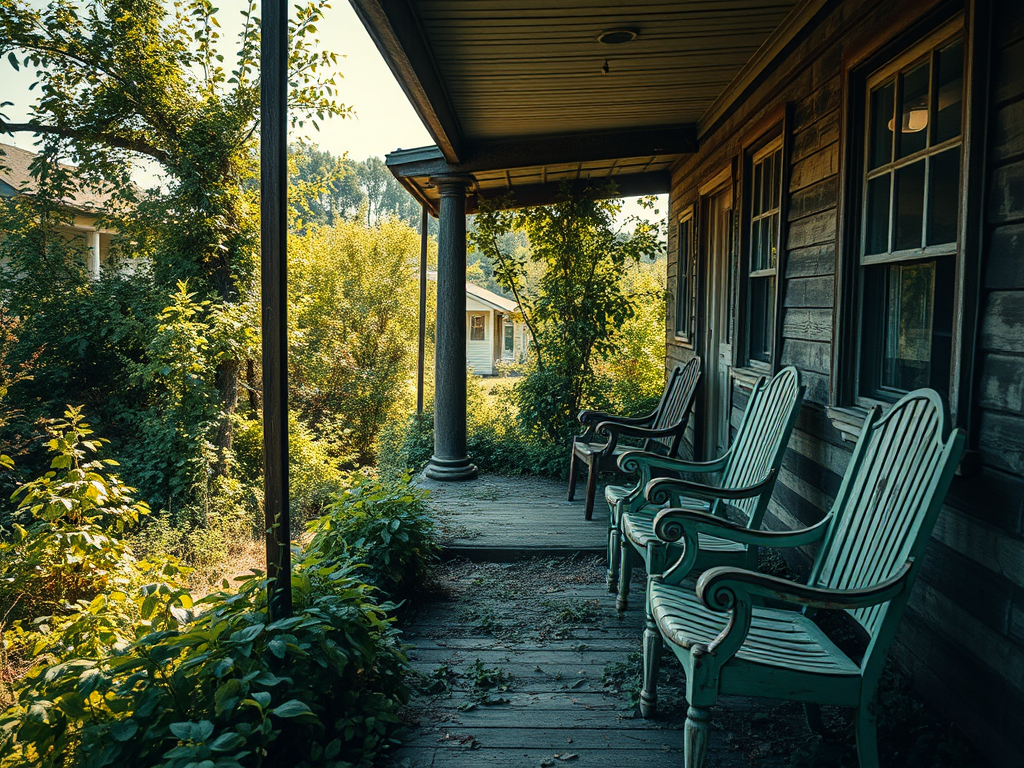
Atlanta has long been a city where culture, wisdom, and tradition are passed down through generations. Barber shops, porches, and community centers once served as places where elders shared stories, taught life lessons, and guided young people on how to navigate the world. But as gentrification reshapes neighborhoods and younger generations move away, many of these voices are fading leaving a cultural gap that may never be filled.
“Growing up, my granddad and his friends would sit outside and school us on everything how to be men, how to handle life, how to respect women ourselves our people,” says Eric Mitchell junior, a 30 year old entrepreneur from South Fulton County.” Now, you barely see that. The old heads are gone, ever since COVID-19 and a lot of us are figuring things out on our own.”
A major factor in this cultural shift is the rising cost of living. Many older residents, especially black elders, have been displaced due to increasing property taxes and rapid Urban Development. According to a HUD report, historically black communities like West End and old 4th ward have seen a significant decline in older residents, replaced by younger, wealthier newcomers.
PMC article notes, that the absence of elders has deeper implications.” Elders provide cultural community. They teach values, traditions, and history. Without them, younger generations risk losing a sense of identity and communal responsibility.”
Despite this shield, efforts to preserve cultural realism still exist. Organizations like The Atlanta Preservation Center work to document stories and maintain historical traditions. But for many, it’s not just about history it’s about missing the presence of those once who shaped their lives.


 Tacory Jones 404
Leave a comment